
Digital Transformation Roadmap for Thai SMEs: Turning Strategy into Real Business Impact
Digital transformation is often misunderstood by Thai SMEs. Many businesses invest in new tools, software, or platforms expecting immediate results, but end up facing more complexity instead of improvement. The real issue is not the technology itself, but the lack of a clear and structured approach to implementation.
A successful digital transformation roadmap focuses on aligning technology with business goals, rather than adopting tools for the sake of it. For SMEs, this means taking a practical and phased approach that delivers measurable impact without overwhelming the organization.
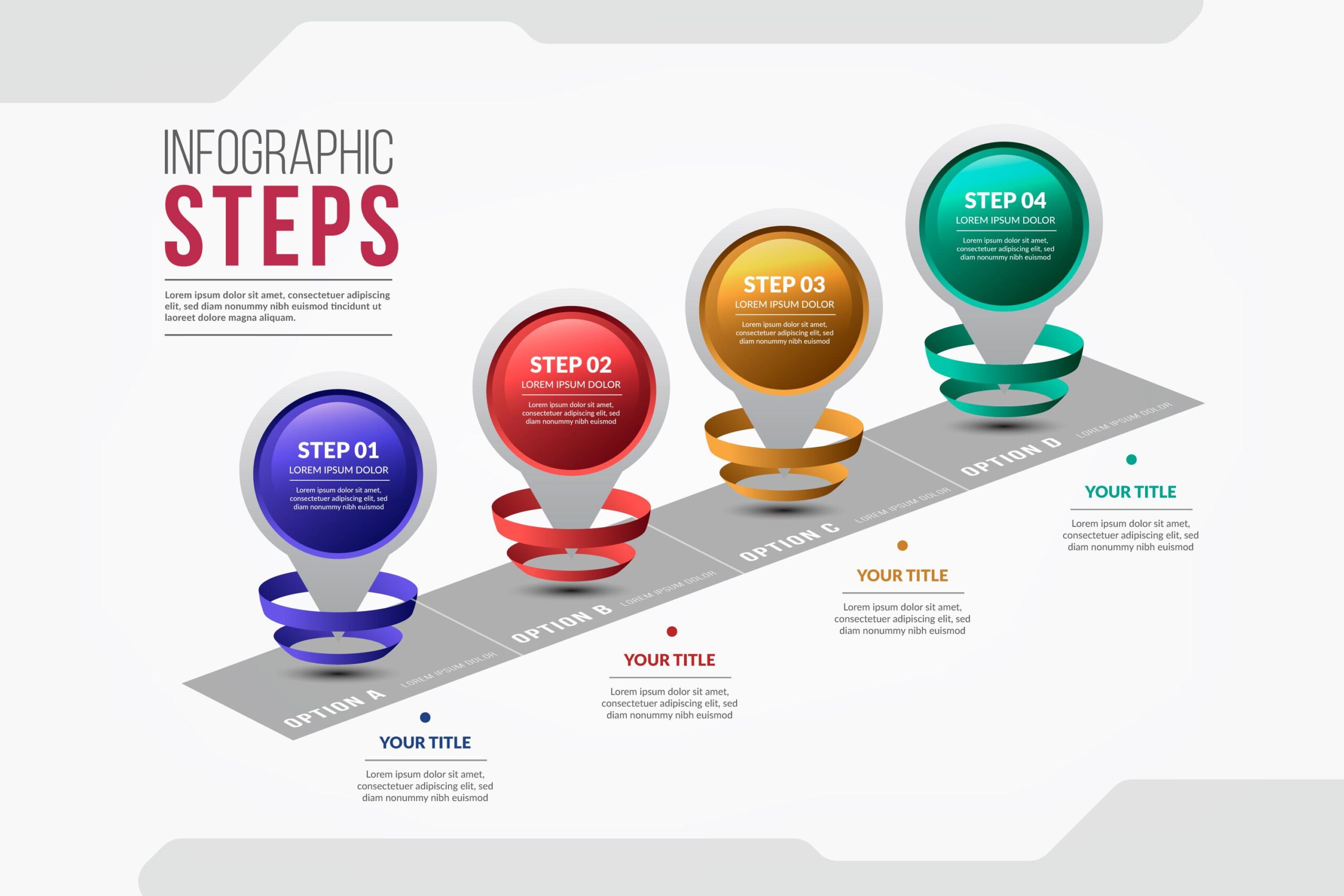
A strong starting point is understanding your current business environment:
- Identify manual processes that slow down operations
- Pinpoint areas where errors frequently occur
- Review how customer interactions are currently managed
- Assess whether existing systems are connected or operating in silos
Once there is clarity, the next step is to focus on improvements that can deliver quick results:
- Automate repetitive administrative tasks
- Improve response time for customer inquiries
- Optimize key digital touchpoints such as your website or lead forms
- Simplify internal workflows to reduce inefficiencies
As the business matures digitally, integration becomes increasingly important:
- Connect systems such as CRM, marketing tools, and sales platforms
- Ensure data flows seamlessly across departments
- Reduce duplication of work caused by disconnected tools
- Create a single source of truth for business data
With the right foundation in place, SMEs can begin to leverage data more effectively:
- Track customer behavior and engagement patterns
- Identify which channels drive the most conversions
- Use insights to refine marketing and sales strategies
- Support decision-making with real data instead of assumptions
Throughout this process, it is important to avoid common mistakes:
- Implementing too many tools at once
- Choosing systems based only on cost rather than scalability
- Ignoring user adoption and team training
- Treating digital transformation as a one-time project
The most effective transformations are gradual, focused, and aligned with real business needs. SMEs that keep solutions simple and scalable are more likely to see long-term success compared to those that overcomplicate their systems early on.
Digital transformation should be seen as an ongoing journey of improvement. Businesses that continuously refine their processes, adopt the right technologies, and stay aligned with their goals are better positioned to grow in a competitive digital environment. Working with experienced partners like Ractive Digital can help ensure that each stage of the transformation is structured, practical, and aligned with sustainable business growth.